
This blog is a guest piece from Chris Smith, Senior Strategist at the Red Consultancy, who used NewsWhip data in their latest report on the World Cup and Christmas.
Comms and PR planning has changed massively in recent years, but it remains a crucial pillar of any proactive press office or communications program. The conventional wisdom used to be that big events can dominate newsrooms and media or consumer interest and thus ruin the best laid plans of PR mice and men. In reality though, such an occurrence was quite rare. With the volume, speed, and shareability of online media today, such issues are much more commonplace.
Planning challenges are nothing new; the term ‘The Attention Economy’ was coined by Nobel Laureate Herbert A. Simon, in the 1970s, well before the age of endless internet distractions. However, fifty years later, technology and our media consumption habits are almost unrecognizable. If we approach old marketing and comms problems with the same old tools and solutions, we are seriously missing a trick. Our new report ‘5 ways the World Cup will eat up Christmas’ shows how we at Red Consultancy execute smart press office planning, using a data layer powered by NewsWhip.
We specifically wanted to investigate this winter’s World Cup because it is going to be competing directly with Christmas. In the UK, the Christmas period pretty much starts the moment the Halloween decorations come down. The first game of the World Cup starts on November 20th, by which time we’ll be in full-blooded ‘Ding Dong Merrily On High!’ territory. The collision of these two cultural behemoths is going to create six weeks of extreme congestion across TV schedules, news agendas, advertising buys and of course, consumer attention. We wanted to see if we could find a way for communications and PR specialists to steal a march through some data-informed insight.
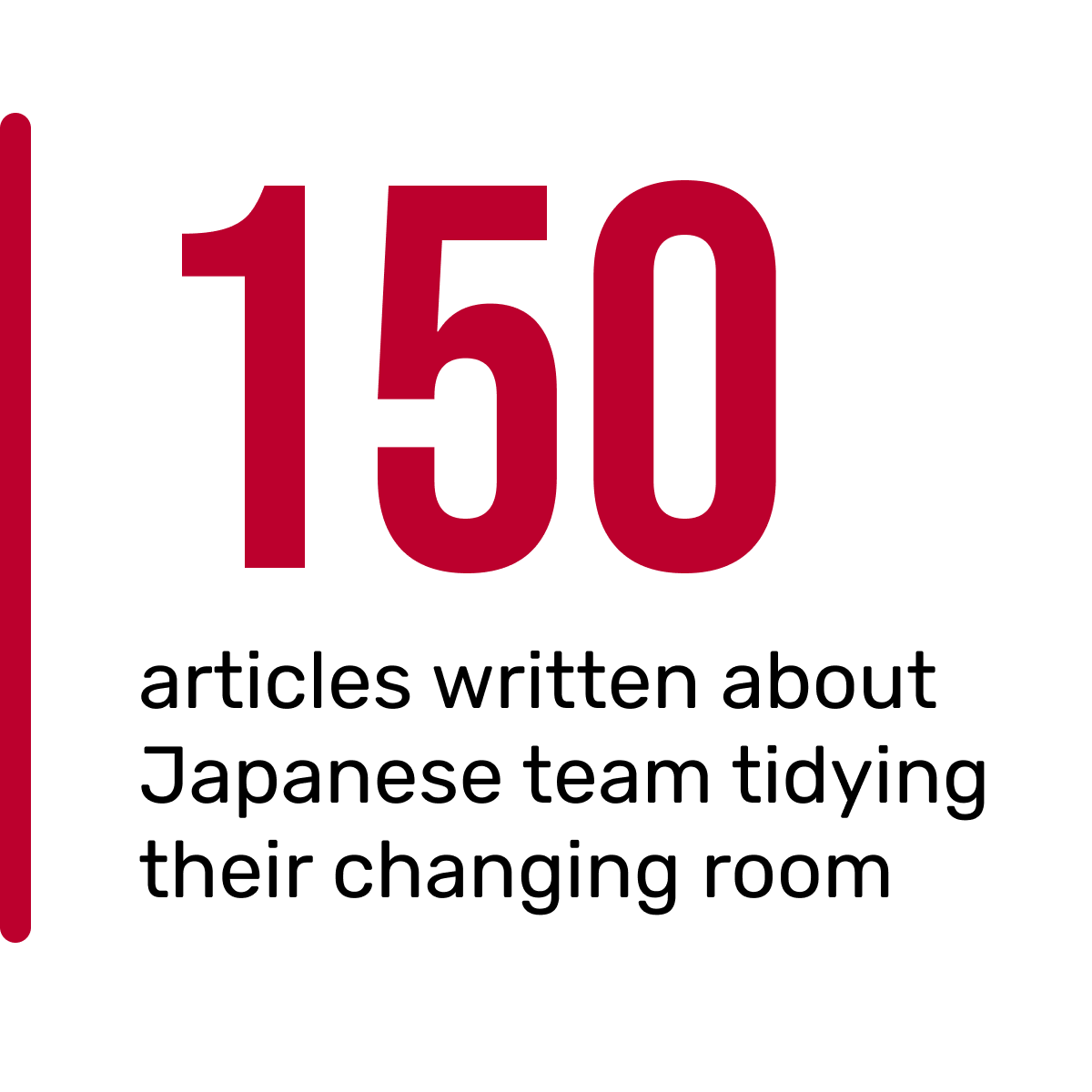
NewsWhip’s historical online media data meant we could do exactly that. It enabled us to look back at the Euros in 2020 and the World Cup in 2018 and not only explore peaks in online media volume, but also analyze which stories generated the most impact and social engagement. This enabled us to craft a data-informed point of view on how brands can approach the upcoming tournament.
To get to the real ‘red meat’, we stripped out what we called ‘game stories’, which is essentially all the online media covering game previews, player analysis, match results and so on. There is lots of that naturally, but we wanted to focus on what was spilling over outside of the football pages and capturing the attention of more mainstream media and casual fans.
That meant we could then recreate the ‘non-football focused’ media news cycle, as it happened, across those two tournaments, isolating the key drivers of conversation and breakthrough ‘viral’ stories. From there, we cross referenced, applied filters and searched for patterns to establish if there was any order, structure, rhyme or reason that could form the basis of a prediction or insightful counsel for brands and PR professionals.
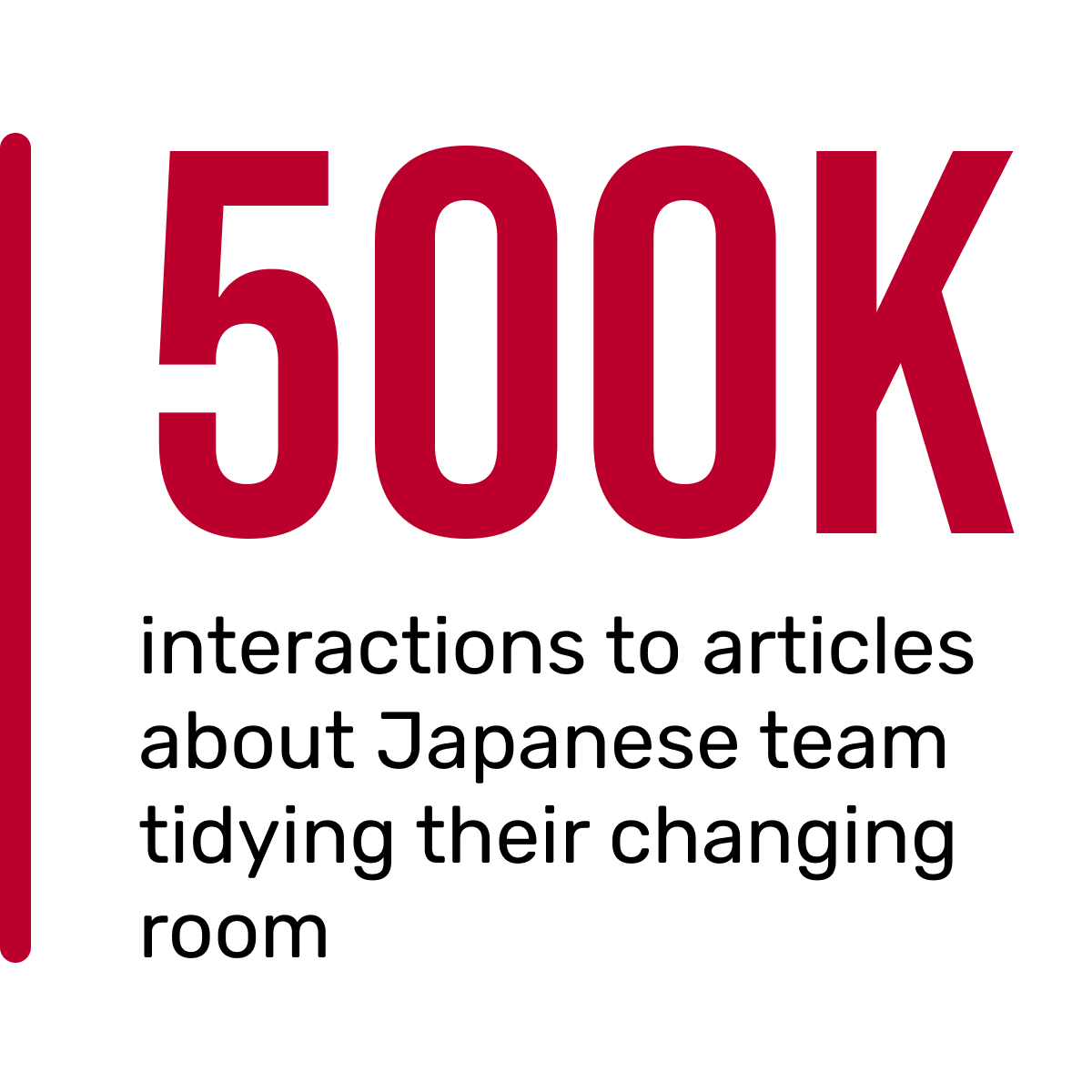
The result is our ‘5 ways the World Cup will eat up Christmas’ report, which identifies five key story trends and patterns that deliver cut-through during the tournament and gives three clear recommendations on what this means for brands. One of those is that we think creative and reactive press office activity still has the potential to deliver great rewards — as long as it is based on the right story, executed at the right time.
This is where our partnership with NewsWhip will continue to deliver during the tournament itself — transitioning from historical data for planning to monitoring real-time online media data as part of our smart press office solution ‘Red Pulse’, which will be central to how we ensure our clients find the back of the net, should they decide to take a shot at reactive World Cup glory.
We’ll be discussing all this and more in our webinar with NewsWhip in September, which you can sign up for here.