
How do different verticals go viral on social media and what can we learn from them? We take a look at top parenting publishers and brands.
If you’ve been keeping up with the blog and our Facebook algorithm report, you’ll have seen that for the most part, general news publishers are weathering 2018’s changes to social publishing.
We’ve been asked to take a deeper look at smaller publishers, and so we’re starting to explore that. We decided to look at a specific vertical that seems to touch on every tenet that the major platforms are emphasizing this year: peer-to-peer engagements, community building, and meaningful discourse.
This applies to several niches, but for this analysis, we looked at parenting-focused publishers and content.
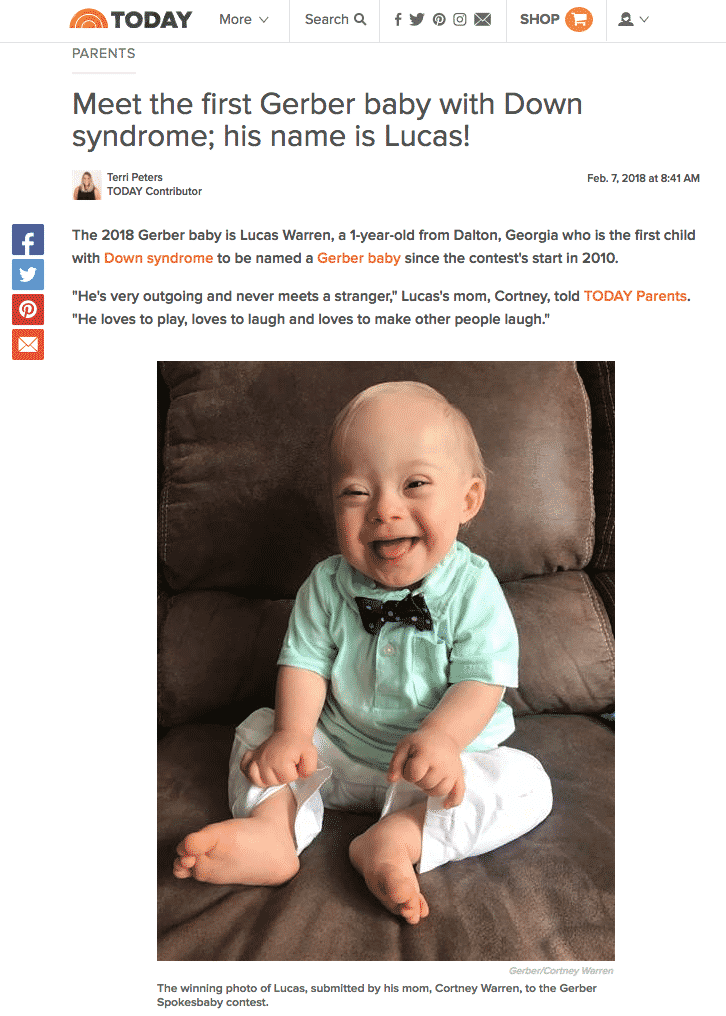
This story from Today drove more than 2 million engagements this year already
It takes a village, but in 2018’s case, maybe it also takes a cybervillage.
To quote Sara Rosenthel, whom we interviewed on this blog and who founded one of the biggest Spanish-language parenting communities:
“Moms are looking for information, but information they trust. … Nowadays, mothers, we like to hear from our peers, so we call Naran Xadul the community made by moms, sharing our experiences.”
It seems that what the platforms are trending toward, fits right in with parenting publishers are already doing, and the numbers seem to agree.
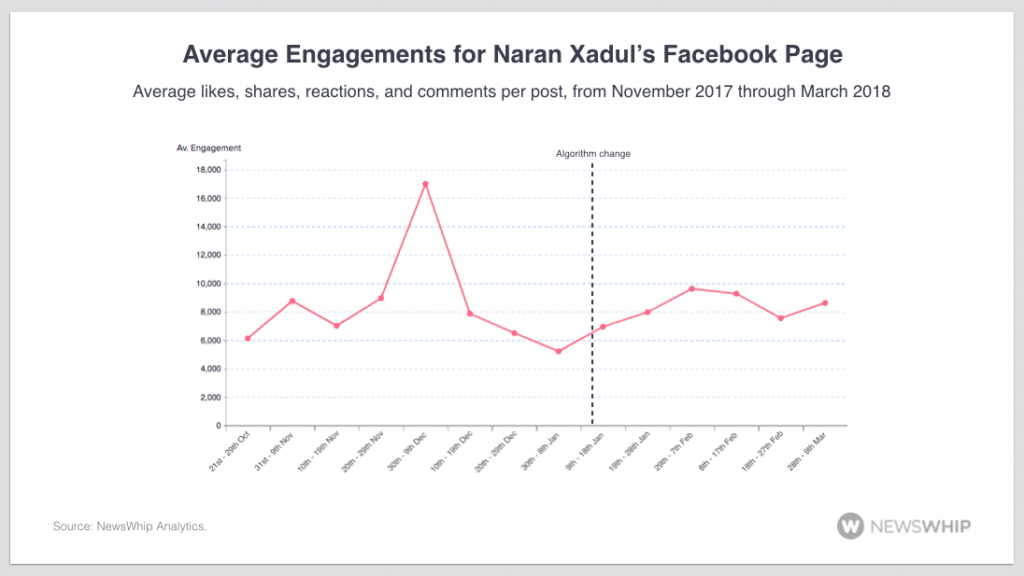
Let’s take a look at more of the data and trends to know from these top publishers.
1. Give your audience the megaphone
Social media is a two-way street, and your audience is coming there for a variety of reasons. For parents, social media can provide an outlet and way to connect about their experiences.
We see this in the top parenting stories of Q1 2018 across social media engagements (Facebook, Twitter influencers, and Pinterest).

In the most engaging stories, we saw that a good deal of content pertained to relatable experiences or tips for parents. For example, advice/thoughts for mothers who only have sons appeared several times in our top 100 stories.
We see this appeal to personal experiences again with the growth of several niches parenting publishers, such as Wellness Mama, Grown and Flown, the Asian Parent, Romper, and more, which seem to be doing quite well in light of platform algorithm changes.

Appealing to those niche, common experience seems to be transcendental across platforms. There are some active Reddit communities around parenting, such as the appropriately named r/Parenting, with 160,000 subscribers.

There are many others, such as Daddit, BabyBumps, and the “real-talk” BreakingMom, which gives parents a place to blow off steam.
Again, it comes down to understanding your audience and why they’re coming to you — is it for entertainment, information, inspiration, a creative outlet, or support?
2. Get on their level: share advice & encouragement, not just as parents but as people
On that note, we saw that many top posts were around issues that could have been taboo areas of discussion just a few decades ago.
While social media is often people’s “highlight reel” of their life, it can also allow parents to connect over topics they might not be comfortable discussing in real life, or topics that get glossed over.

We can see that the Bump has seen some of its top Instagram posts recently come from things like body positivity for parents, and there were top engaging articles that had advice for navigating gender roles and the “invisible workload”.
Social media lays out an opportunity to lay it all out. This is a great opportunity for brands to lean in and be supportive. On social media, users often want either real talk or inspiration.
3. Don’t shy away from the big issues: inclusivity and politics matter
The new normal is that politics and societal issues touch every niche and topic, and parenting isn’t exempt from this. It’s now often important to your users that you note the issues that they care about in their everyday lives.
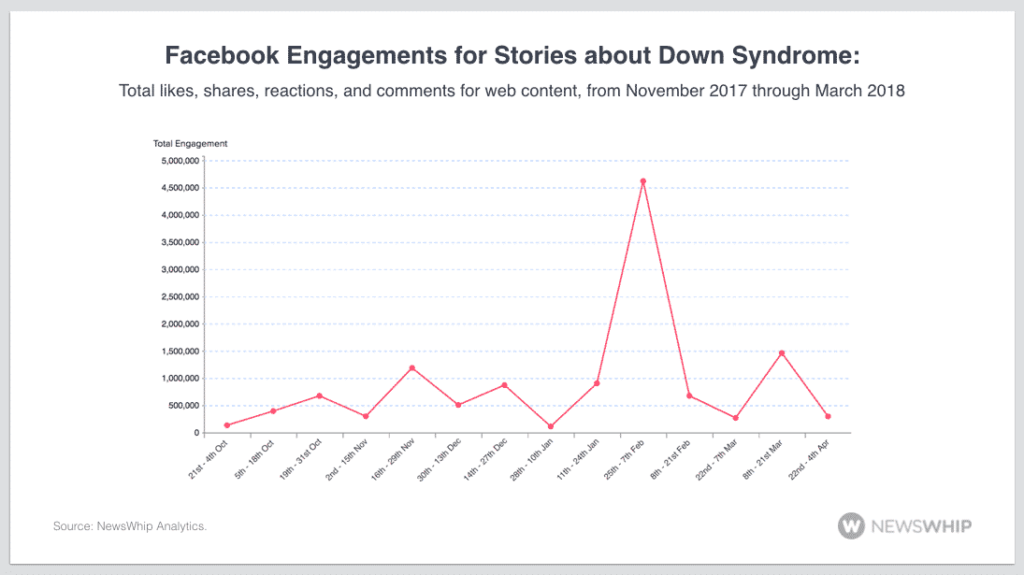
We saw this a few times in our top topics. For example, the top parenting story by far of Q1 was around Gerber having its first baby model with Down syndrome. The story went viral across the social stratosphere.
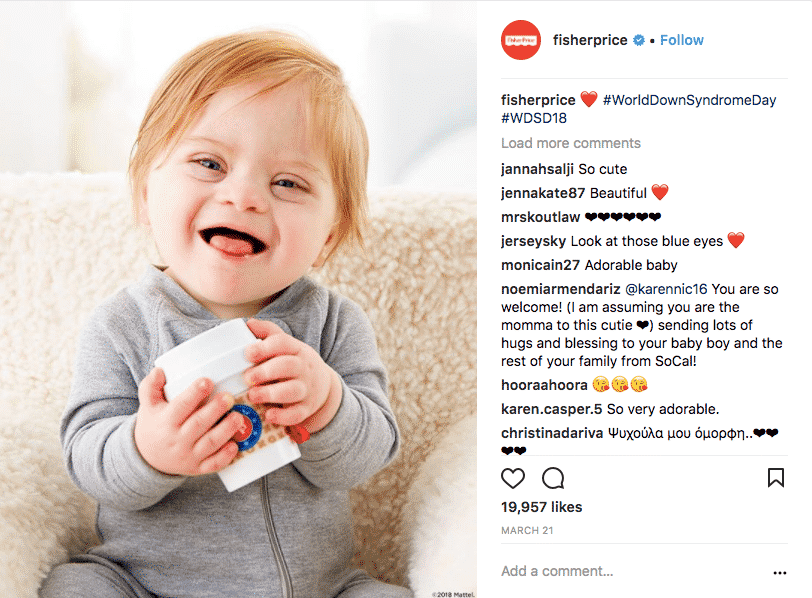
Even a month later, we saw brands lean in and acknowledge that they cared about the same topics as their customers. This post for Fisher-Price did well for the brand, garnering more than 20,000 likes and comments, compared to the brand’s typical average of 1,713 engagements.
We also saw concerns and experiences around race, gender, school shootings, and mental health, appearing in the top parenting stories of 2018.
More and more brands are leaning in as well. In 2018, it really makes a difference with users if you respond to the issues that they care about, right now.
4. They want the latest information
Social media has come to make users’ expect access to the latest news. We see this with sports as well — team and player updates often go viral. For parenting, we noticed this coming through in studies and health stories.

“Why Children are Less Patient, Lonelier & More Entitled than ever” drove nearly 390,000 engagements, and “This Is the Flu Symptom You Aren’t Looking For but Need to Know About” saw about 319,000 engagements, our second and third top stories.
5. Stir up nostalgia with throwbacks to popular brands
Stirring up sentiment or highlighting fan favorites tends to do well across niches (we’ve even seen nostalgia for the 2000s taking off with the Gen Z crowd).
Several of the top parenting stories had to do with Barbie, Polly Pocket, and LEGO.
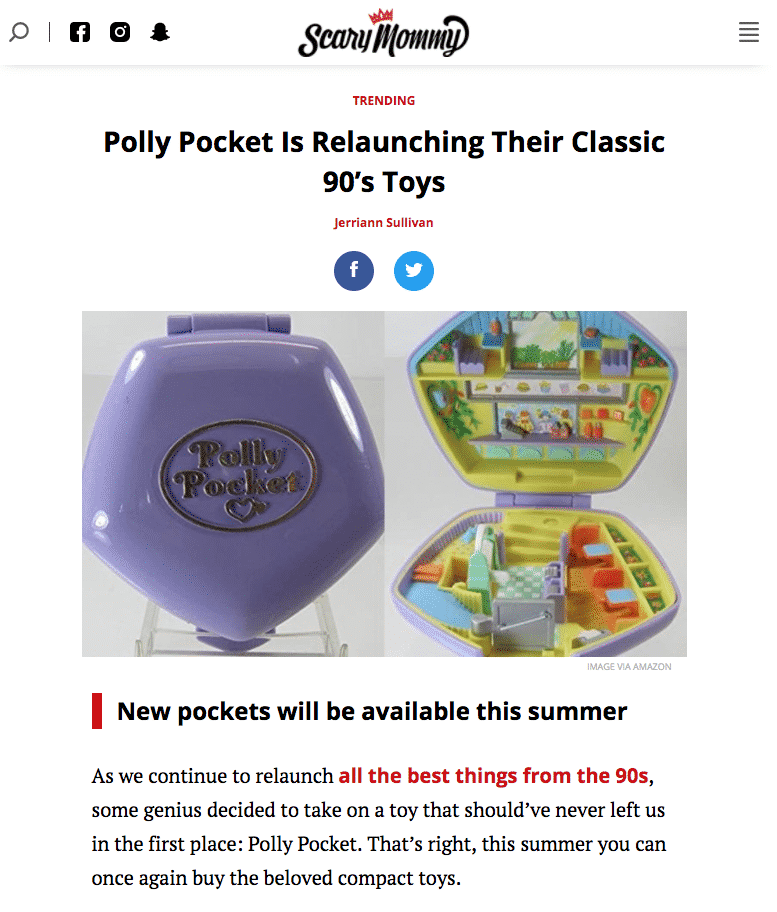
Some of the stories were simply announcements reviving the brand, while other stories had brands taking some creative risks.
We can see this has played off for Mattel and Barbie, who have leaned into topics that Millennial parents may care about.
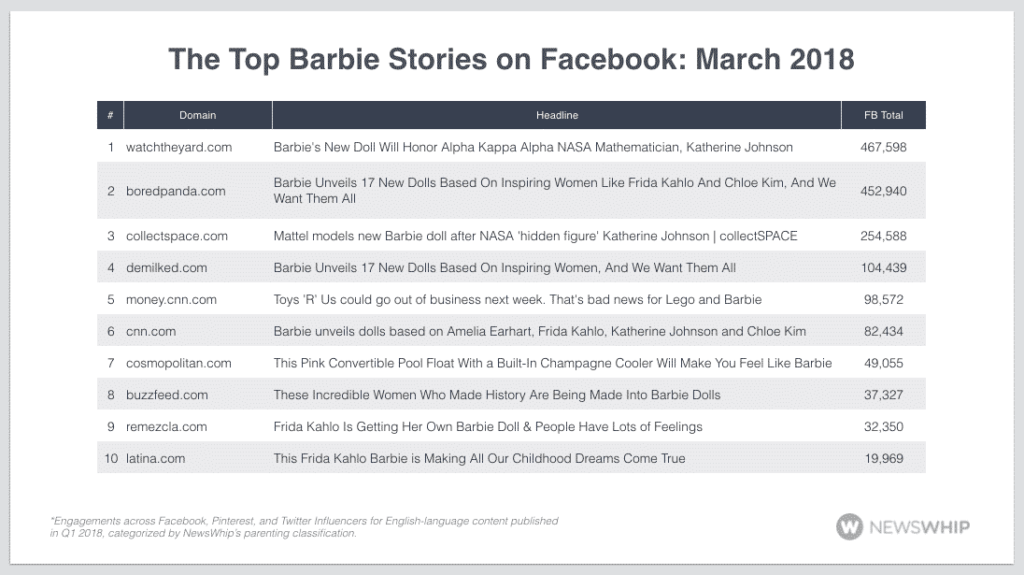
In fact, eight of the top ten stories about Barbie in March 2018 had to do with inclusive dolls or dolls that commemorated outstanding women.
6. Catch their attention with weird and fun stories, and ideas
News feeds are incredibly noisy. To differentiate and stand out, you need content that one, people will want to share, and two, be distinctive in their friends’ news feeds.
When we looked at the top parenting stories, we noticed that there was a surprising amount of stories about zany unicorn products.

Actionable content also stands out and does well on Facebook and Pinterest. Recipes (especially Instant Pot), crafts, and parenting “hacks” all do well. Crafty Morning was the top parenting Facebook Page in our analysis, for wacky craft ideas.
7. Share a little sunshine
Feel-good stories can tug at users’ heartstrings and spread on social. We saw this with a couple of the top parenting-focused stories of Q1.

Another feel-good story from Bored Panda drove 172,000 engagements on its web article, and a story from a 27-year-old who died of cancer offered tear-jerking but heartwarming stories saw 140,000 engagements. We’ve seen that emotionally charged content has a high shareability factor on social media.
8. Make them laugh
Light-hearted, funny posts can stand out in the news feeds and give users some much-needed comedy. Scary Mommy is a publisher that’s built up a strong community around finding the humorous and relatable moments in parenting.

It’s paid off for Scary Mommy, which has seen little impact on its average Facebook engagements since the start of the year.
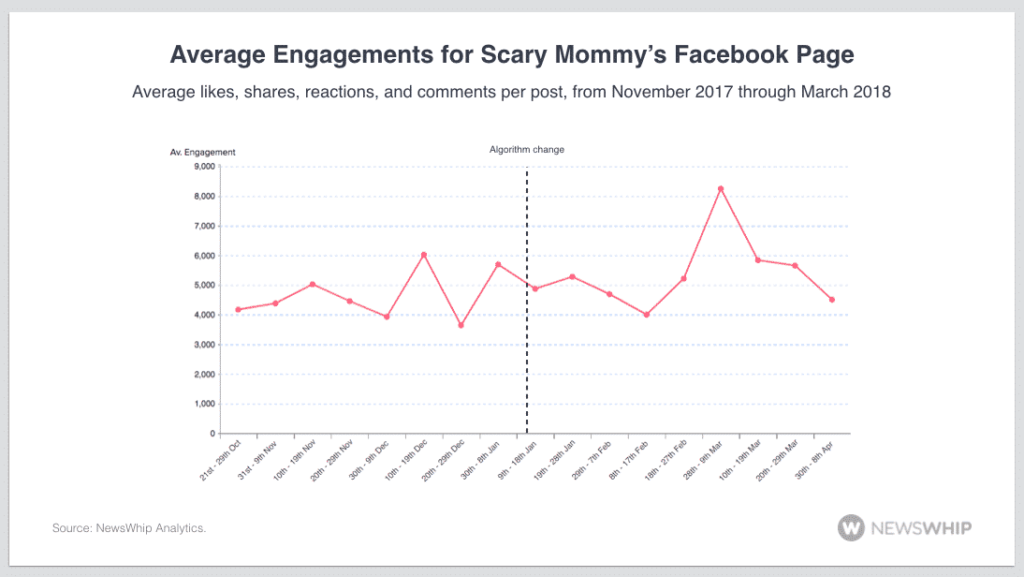
With 3,7 million followers, the Facebook Page sees about 5,131 average engagements per post.
9. Let them show off what they care about
If we break down the important components of social media, the community is a big component, but so is the ability to create and participate in that community.
Some of the top parenting publishers and brands use user-generated content, or they encourage their followers to share personal photos and stories.
We see this with Happy Family, a baby food brand. On Facebook, the brand will often share photos of the holidays, and encourage users to share photos of their own revelries:
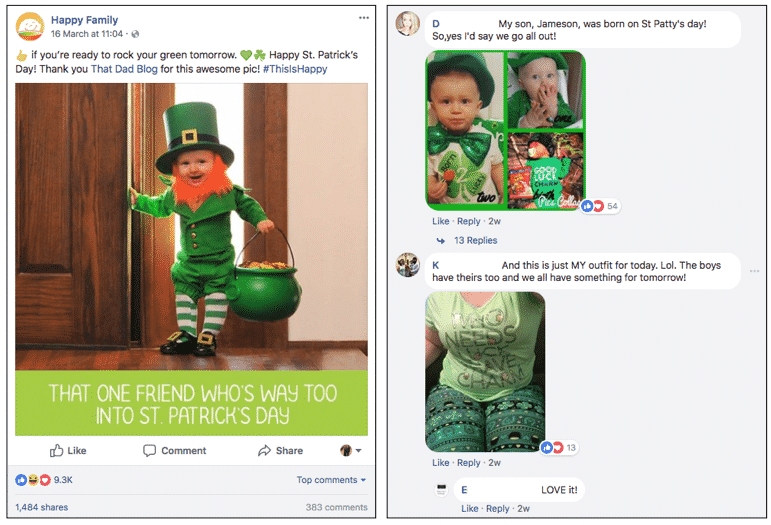
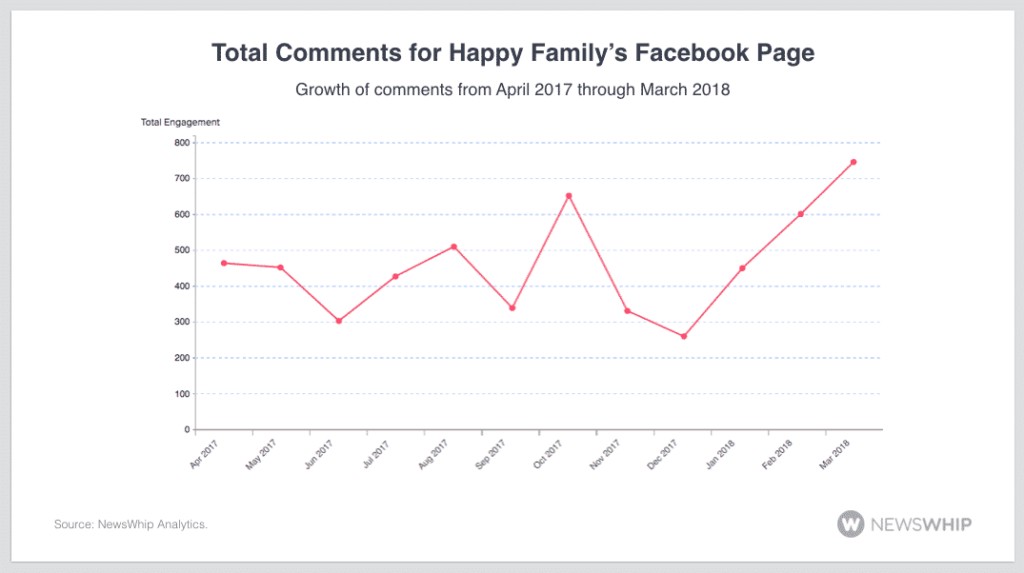
This all-inclusive tactic has paid off for the brand, which has seen a sizable growth in comments.
Understanding what goes into shareable content is important to developing your own content strategy, whether you’re taking a page from parenting publishers, sports, viral sites, or anyone else.
For a look at the top stories right now, across any vertical or audience, try NewsWhip Spike.